




































































































The Infradapt philosophy is to serve our clients with integrity, innovation and excellence.
Our mission is to deliver freedom against restrictive or unreliable technologies and to improve our clients’ focus on their core business. We provide tech solutions and preventative measures so you spend less time fussing and more time being productive.
Outdated technology limiting your productivity?
In need of more organized business infrastructure?
Feeling limited by the restrictions of your current systems?
No matter the issues your company faces, when it comes to technology and information, Infradapt is here to help. Start by scheduling your free consultation, and we’ll work together to determine how Infradapt can help keep your business running smoothly, efficiently, and productively.
Infradapt offers all this and more in the forms of both supplemental and fully-outsourced support.
Infradapt offers all this and more in the forms of both supplemental and fully-outsourced support.
All Inclusive Service and Support
IT Support
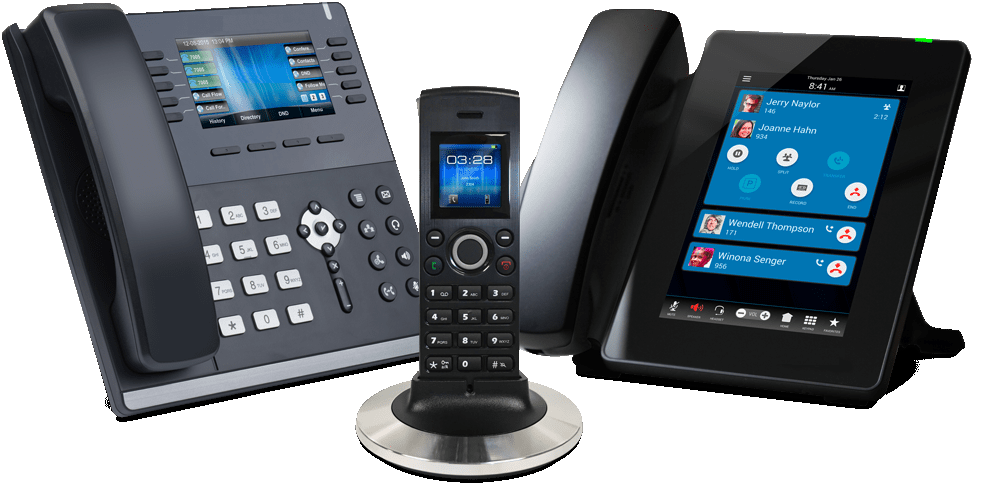
Telecom Support
Proactive Maintenance
Virtual CIO
Hassle Free Vendor Management
Cyber Security Management
Backup and Disaster Recovery
Risk Assessment / Remediation Process
Staff Training / Process Implementation
24 / 7 Monitoring and Incident Response
Gap Analysis / Remediation Report
Compliance Documentation
Hyper Backup Protection
24 / 7 / 365 Unlimited Helpdesk
All Hardware Included
Trouble-Ticketing System Included
Smartphone Included
Office 365 Software Plan Included
Business PBX Included
Private Cloud Included
Managed IT Services Included
Ransomware Protection
Real-Time Cloud Replication
Hyper Backup Protection
High Availability Architecture
Voice High Availability
Quickest Point-in-Time Restores
24 / 7 / 365 Monitoring and Support
Hosted, Premise or Hybrid
Trouble-Ticketing System Included
Unlimited IVRs, VMs, and Queues
Skype and Salesforce Integration
Call Center / Contact Center Ready
High Availability Included
Telecom Management Included
No Capital Investment
Quick Provisioning
Flexibility and Elasticity
Private Cloud, Share Nothing
24 / 7 / 365 Monitoring and Alert
Data Bunker Facility
Redundant High-Bandwidth and Power
